Hayfever & Allergies

Hayfever & Allergies
Mild or severe, seasonal hayfever or all-year allergy symptoms can make your day miserable and sleeping at night more difficult. FLO’s range of nasal and sinus solutions can help you breathe easier so you can forget your allergy and get on with your day.

What is hayfever?
Hayfever is the common name for a form of allergic rhinitis. This is where your nose becomes inflamed or irritated by an allergen, such as pollen, causing you to sneeze or have other typical allergy symptoms.
Allergic rhinitis is one of the most common allergic conditions seen in Australia, affecting around 1 in 5 of us.
There are two main types of allergic rhinitis:
- The more common seasonal allergic rhinitis or ‘hayfever’, which is triggered by pollen with symptoms usually peaking in the spring or early summer months
- Perennial allergic rhinitis which is where allergy symptoms can be present all-year round and is usually triggered by allergens found in and outside the home.
Some people may also have allergies triggered by allergens they are exposed to while at work. This is called occupational allergic rhinitis and can be a common problem for certain workers such as bakers and vets.
What causes
hayfever?
When you have an allergy, your body overreacts to something that doesn’t normally cause problems for other people, such as pollen, dust mites or animal dander (skin flakes, hair or fur). Hayfever is triggered by pollen which is carried in the air and easily breathed in. Some people are sensitive to more than one type of pollen, making hayfever hard to avoid.
Allergy symptoms that stick around all year (perennial allergic rhinitis) are usually linked to things found inside the home, such as:
- Dust mites
- Mould spores
- Animal dander (e.g. pet fur and skin flakes)
Other causes of allergic rhinitis can include things such as wood dust, flour dust and latex.
Hayfever and allergy symptoms
Seasonal hayfever and all-year nasal allergies can cause a range of symptoms involving not only your nose, but also your eyes, throat and ears.
Common allergic rhinitis symptoms include:
- A stuffy or blocked nose (nasal congestion)
- A runny nose
- An itchy nose
- Frequent sneezing (sneezing page TBC)
- Itchy or watery eyes
- Excess mucus in your throat (called postnasal drip)
- A cough or having to clear your throat more often
- Itchy ears, throat or roof of your mouth
Some allergy symptoms overlap with other conditions such as colds and flu. But unlike colds and flu, when you are exposed to something you are allergic to symptoms usually appear within minutes and tend to continue if not treated.
Other problems associated with allergic rhinitis may include:
- Poor sleep and feeling tired during the day
- Trouble concentrating
- Headaches
- Sinus infections (particularly in adults)
- Frequent ear infections in children
Allergic rhinitis can cause problems when you have asthma as both are linked to inflammation of your airways. The inflammation caused by allergic rhinitis may make it harder to manage and control other conditions such as asthma. Relieving the symptoms of allergic rhinitis may help in controlling
other chronic conditions.
Allergies and children
Allergic rhinitis is very common in children and often accompanies other allergic conditions such as eczema or asthma, or when a parent also has allergic rhinitis.
Children need to be exposed to an allergen before they become allergic to it and allergies don’t usually develop in children under 2 years of age. Very few infants or toddlers are thought to develop hayfever symptoms before they turn 3 years old.
Children with seasonal hayfever or all-year (perennial) allergies have similar triggers (such as pollen and dust) and similar symptoms to adults, which include:
- A runny nose
- A blocked nose (one or both nostrils)
- Sneezing (sneezing page TBC)
- Itchy nose, throat, ears or roof of the mouth
- Itchy, sore or watery eyes
- Headaches
If left untreated, hayfever symptoms may:
- Make it harder for children to get a good night’s sleep which can make them tired during the day and may affect schoolwork.
- Mean they are more likely to get sinus, ear or eye infections.
- Lead to children being less involved in outdoor activities.
If you think your child has allergies it is important to find out the cause. If you can’t work out the trigger, talk to your doctor.
How to treat hayfever
The good news is there are several different treatment methods that may help you control and manage allergy symptoms, these include:
Washing away allergens with saline
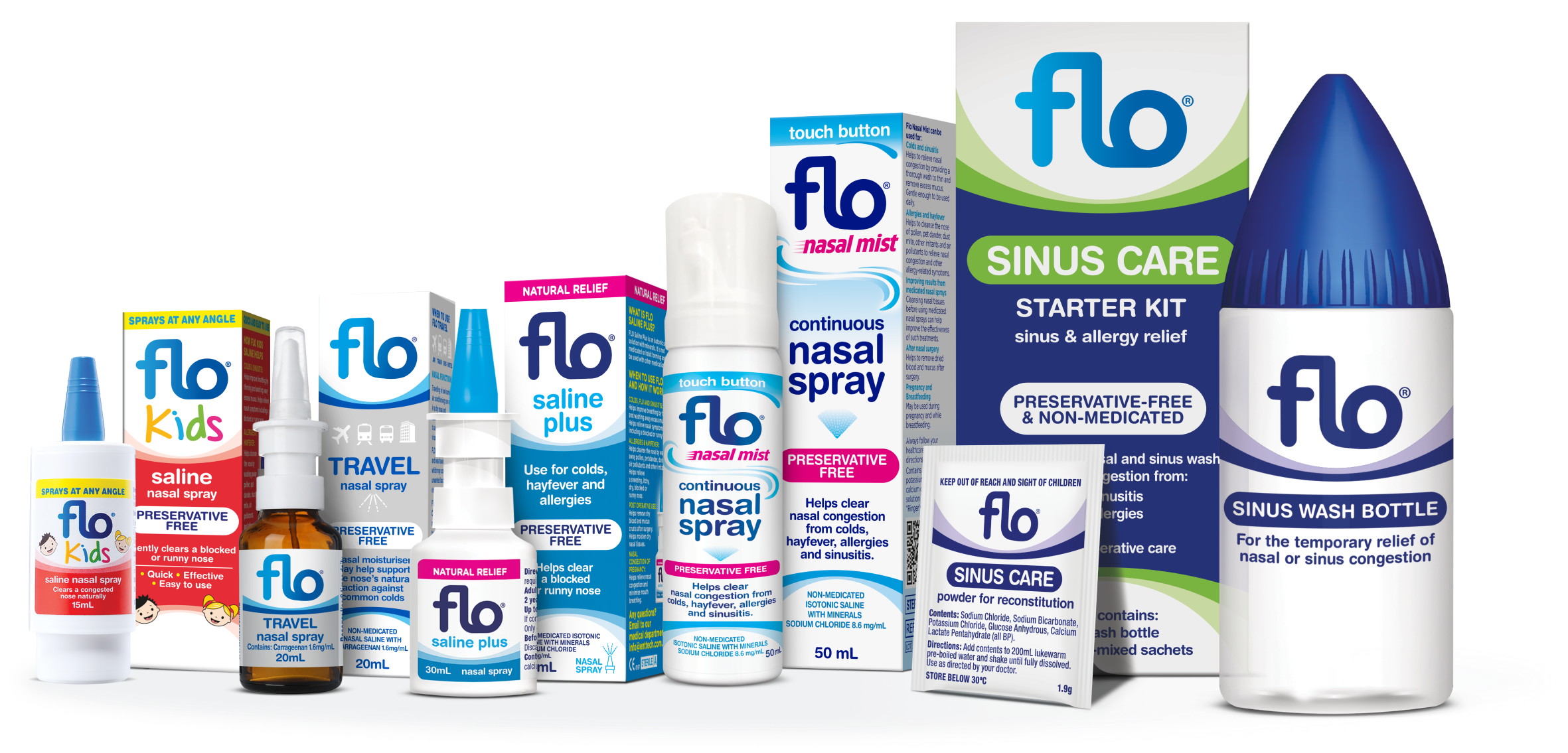
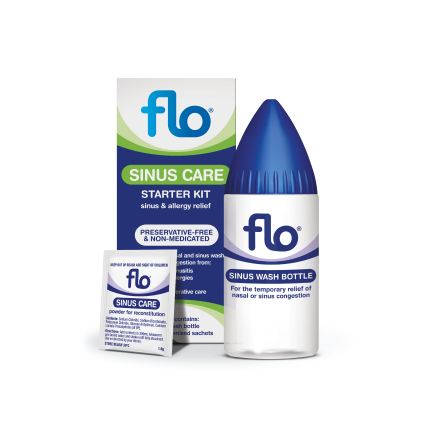
Using non-medicated saline nasal sprays or sinus washes – such as FLO Saline Plus, FLO Nasal Mist and FLO Sinus Care regularly helps provide relief from allergic rhinitis symptoms.
For babies and kids, saline nasal drops and sprays – such as FLO Baby Saline Drops, FLO Baby Saline Spray, and FLO Kids Saline Spray can help provide gentle symptom relief.
Using a simple saline nasal spray or sinus wash can help:
- Wash away pollen and other allergens
- Thin and clear away thick mucus
- Moisturise and soothe dry nasal tissues
Using a non-medicated saline nasal spray or sinus wash may help reduce symptoms 10d and are suitable for daily use.
Avoiding allergy triggers
You may be able to reduce allergy symptoms by avoiding or limiting exposure to the allergens that bother you.
Depending on your type of allergy, you could:
- Check the pollen count before going outside and try to stay inside when the pollen count is high.
- Regularly wash and groom your pets outside, and frequently clean their bedding and any furniture they use.
- Keep your home well-ventilated and dry to help prevent mould growth.
Taking allergy medications
If reducing your exposure to allergens is not possible or other treatment options are not controlling your symptoms enough, talk to your pharmacist or doctor about medications to help with your allergy. These medications include:
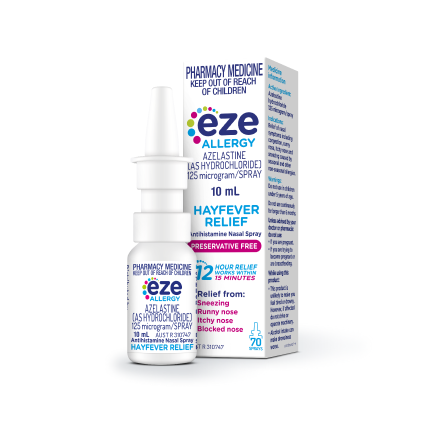
- An antihistamine such as Eze Allergy to help treat hayfever symptoms such as sneezing or a runny or itchy nose.
- A decongestant such as FLO Rapid Relief to help with a blocked nose or dry up a runny nose. Always follow the instructions when using decongestant sprays and use FLO Rapid Relief for no more than 3 days or it can make things worse.
- A corticosteroid to help reduce inflammation in the nose caused by hayfever or other nasal allergies.
The best approach to managing allergy symptoms will depend on factors such as what triggers the allergy, how severe the symptoms are and may involve a combination of treatments.
Your pharmacist or doctor can recommend what treatment options are be best for you or your child. If you are not sure, ask for advice.
Our heyfever & Allergies product range
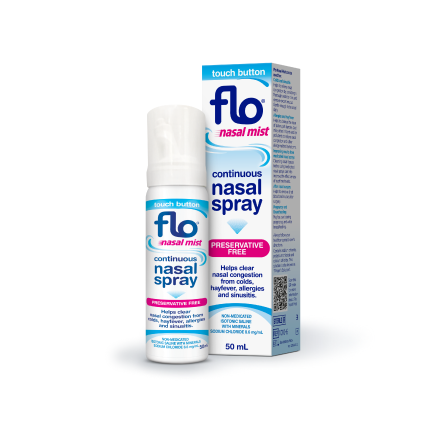
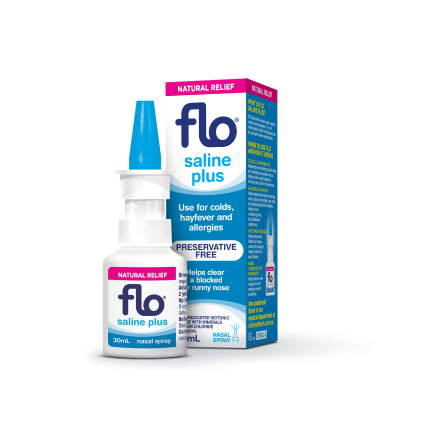
FAQs
Hayfever (seasonal allergic rhinitis) symptoms may last for weeks or several months, depending on which plant pollen you are allergic to, where you live and even the weather.
Pollen can be difficult to avoid, so if you are allergic to more than one type of pollen or pollen from plants that produce pollen throughout the year, then you may have hayfever symptoms most of the time.
Hayfever is caused by an allergic reaction to pollen. It is not contagious, so you cannot ‘catch’ hayfever from someone else.
Some of your hayfever symptoms may overlap with other conditions, such as colds and flu that are infectious and can be passed on from person to person.
Hayfever season in Australia varies depending on where you live and the type of pollen you are allergic to.
- For example:
Tree pollen levels are usually high in late winter to early spring1e and grass pollen is around from August. - Pollen from allergenic grasses in the south of Australia usually peak during October to December, while in warmer northern areas grasses flower from January to March.
An allergy is where a person reacts to substances (allergens)in the environment that are harmless to most other people. The term ‘allergies’ covers a broad range of reactions to various allergens such as dust mites, pets, pollen, insects as well as some foods and medications.
Hayfever (seasonal allergic rhinitis) is the common name for a form of allergic rhinitis and is a specific type of allergic reaction caused by pollen and other seasonal allergens.
BREATHE FREELY WITH FLO