Sneezing

Sneezing
Sneezing is just one of the ways the body tries to protect itself, and it generally happens when you have an allergy (such as hayfever), catch a cold or something else irritates your nose or throat.
What is a Sneeze
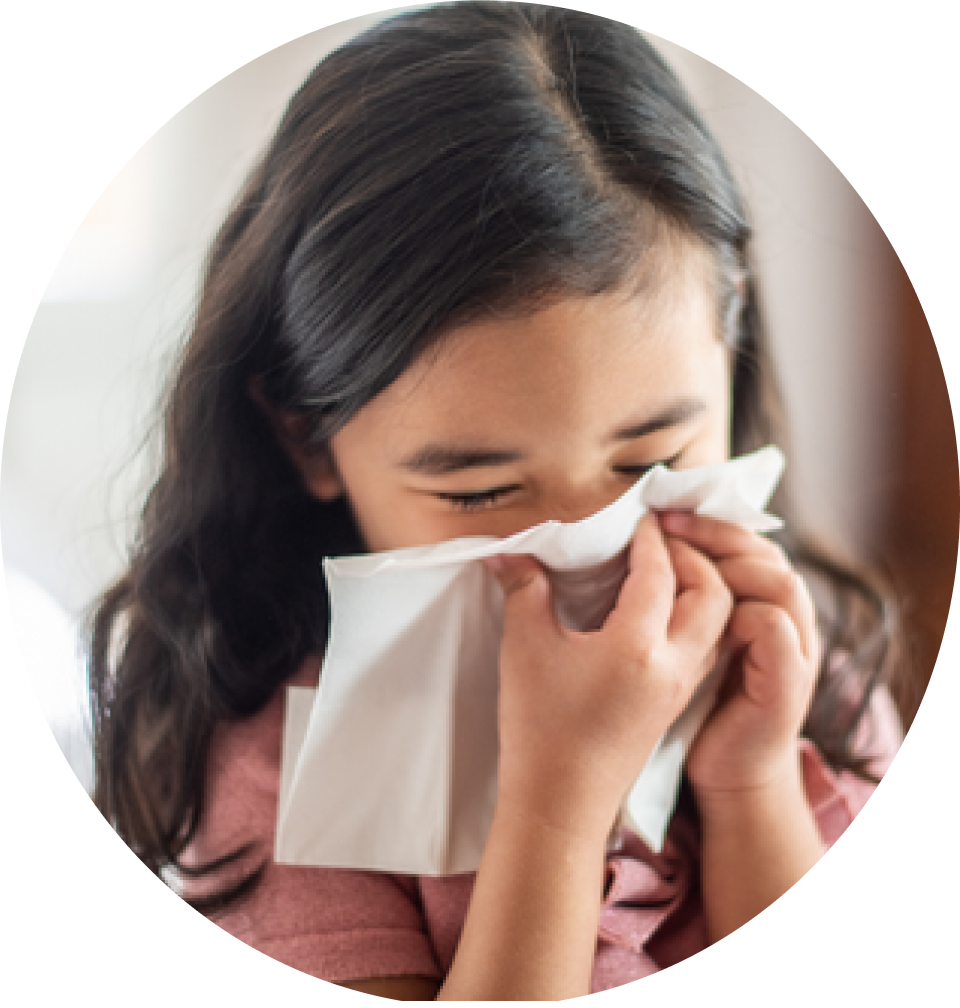
A sneeze is something we’ve all probably experienced at some point. It is basically a sudden, usually forceful, burst of air through the nose and mouth. But did you know there are two parts to a sneeze?
- The ‘tickle’ – When irritating particles, such dust or pollen, are detected by the sensitive lining of the nose, messages are sent to the brain to alert the ‘sneeze centre’
- The ‘sneeze’ – Once the sneeze centre receives enough messages, the second phase is triggered:
- You close your eyes
- You take a deep breath in
- Your chest, stomach and throat muscles, along with your diaphragm and vocal cords
- then all work together to produce an explosive burst of air through your nose and mouth, hopefully expelling the particles or irritants causing the problem.
Why is it important to sneeze correctly?
Although sneezing helps protect your body, it’s also a very effective way to spread illnesses, especially those caused by respiratory viruses, such as a cold or the flu
A single sneeze can…
- Create 40,000 small airborne droplets
- That hang in the air for as long as 10 minutes
- And can reach a distance of around 7-8 metres
…and that is why it is important if you sneeze to:
- Sneeze or cough into the bend of your elbow or sleeve if you don’t have a tissue to hand
- Not sneeze into your hand
- Try to turn your head away from other people when you sneeze or cough
- Remember to clean your hands often with soap and water or use an alcohol-based hand rub.
Why do we sneeze?
There are a variety of things that can trigger sneezing, including:
- Allergies such as hayfever where sneezing can be accompanied by other troublesome symptoms such as a blocked nose or runny nose, and itching
- Infections such as a cold or the flu
- Environmental triggers such as breathing in dust, air pollution, dry or cold air, or chemical
- irritants at work
For some people, sneezing may be triggered by other factors such as bright lights, hormonal changes or certain medications.
How to treat sneezing symptoms
While sneezing can be annoying, it’s not usually a serious problem and there are things you can do to try to prevent or treat the cause, including:
If an allergy is the cause:
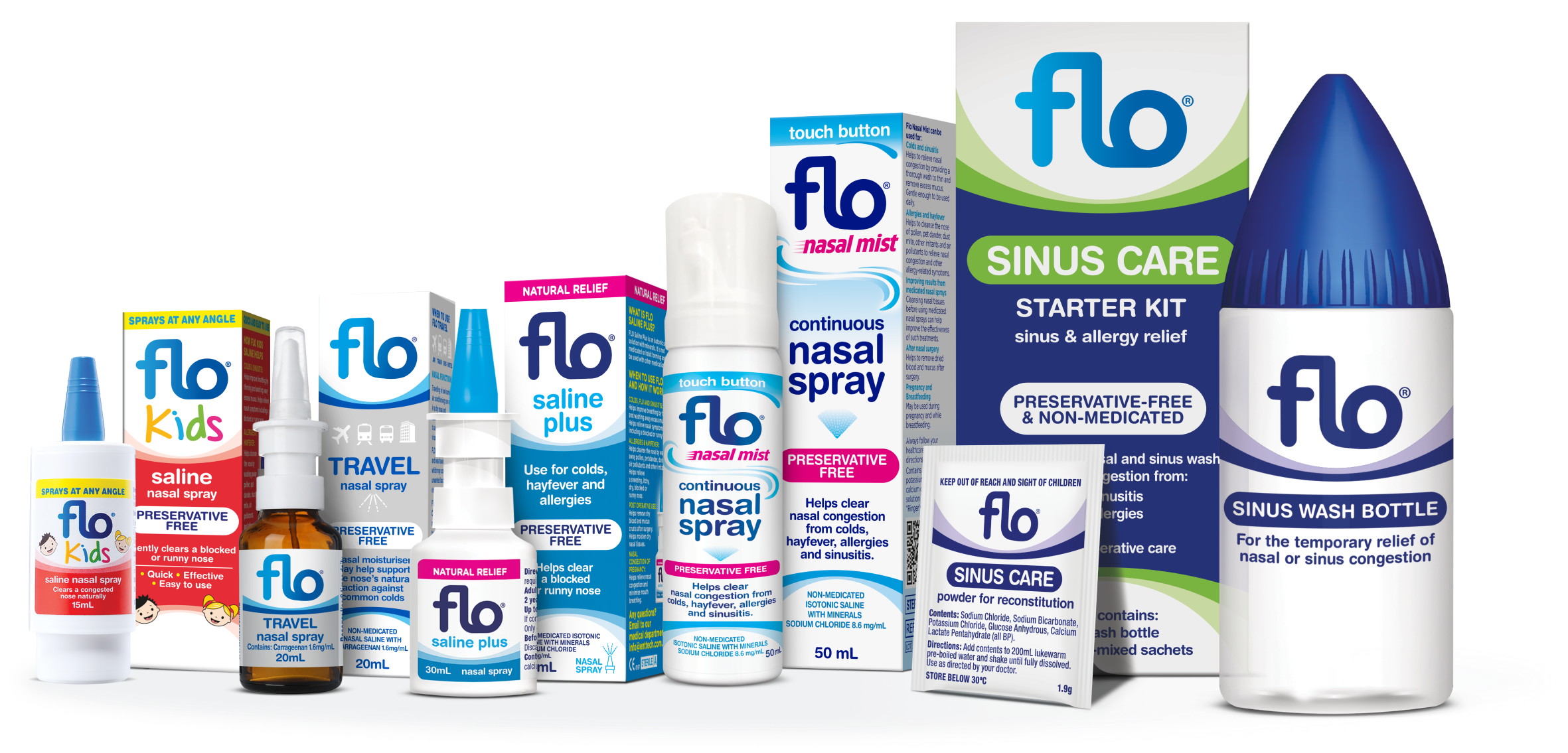
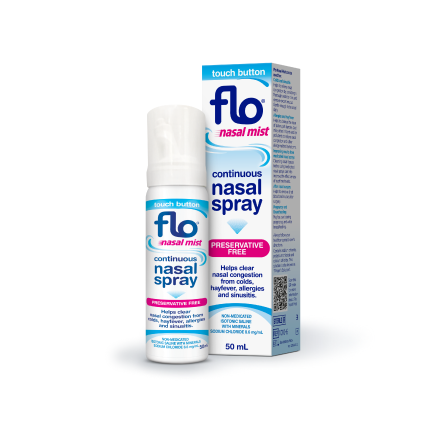
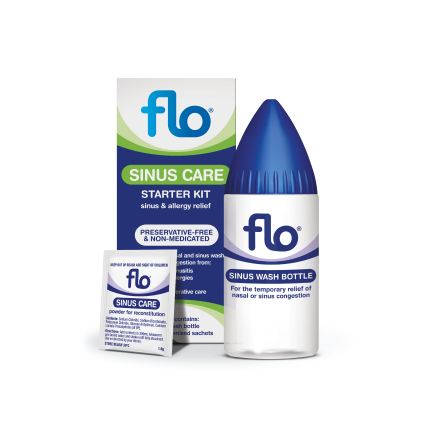
- Use a simple non-medicated saline nasal spray or sinus wash such FLO Saline Plus, FLO Nasal Mist and FLO Sinus Care for adults or FLO Baby Saline Spray and Drops and FLO Kids Saline Spray for children to help wash away allergens or irritants, to thin mucus and to help moisturise and soothe irritated nasal tissues.
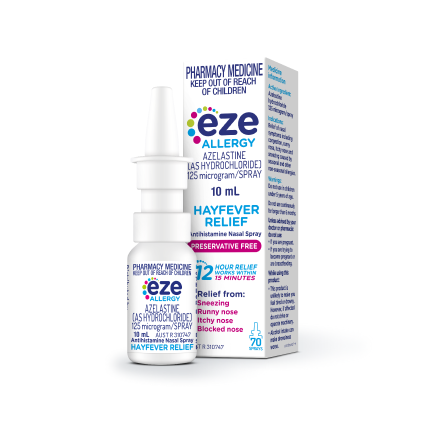
- An antihistamine nasal spray such as Eze Allergy can help relieve hayfever and other allergy symptoms, including sneezing and a runny nose or blocked nose
- Try limiting your exposure to allergens, such as pollen, dust or pets, that cause you problems.
If dry air is the issue, try a non-medicated saline nasal spray such as FLO Saline Plus or FLO Travel if you are on the go to help moisturise a dry, irritated nose FLO Nozoil helps relieve dry and crusting nasal tissue and also helps to reduce the effects of inflammation, allowing you to breathe easier.
Talk to your pharmacist or doctor if your sneezing is worrying you or you don’t know what is causing it. They will be able to advise you on treatments and lifestyle changes that may help.
FAQs
There are different kinds of nasal sprays, so it’s important to know which one you’re using and always read and follow the instructions for use.
EZE-ALLERGY is an antihistamine nasal spray that can be used by adults and children over 5 years of age for the relief of hayfever symptoms. Due to its effectiveness, you need only spray once in each nostril during a 12 hour period and it works within 15 minutes. You should not use the product continuously for more than 6 months.
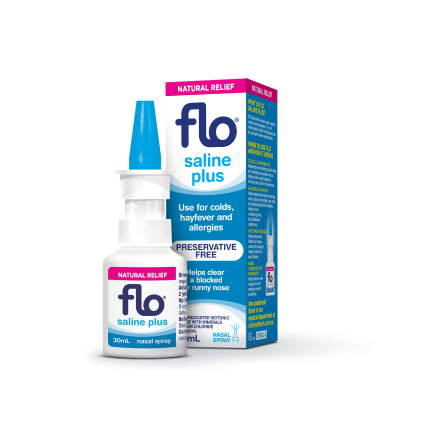
Using a non-medicated saline nasal spray or wash, such as FLO Saline Plus for adults and FLO Baby Saline Spray or FLO Kids Saline Spray for children, regularly can also help with allergy symptoms and they can be used as often as needed.
ALWAYS READ THE LABEL AND FOLLOW DIRECTIONS FOR USE
BREATHE FREELY WITH FLO